How a community health walk with Nene Ada brought unity, health awareness, and hope to the people of Ada
W
by Women of Zion Foundation
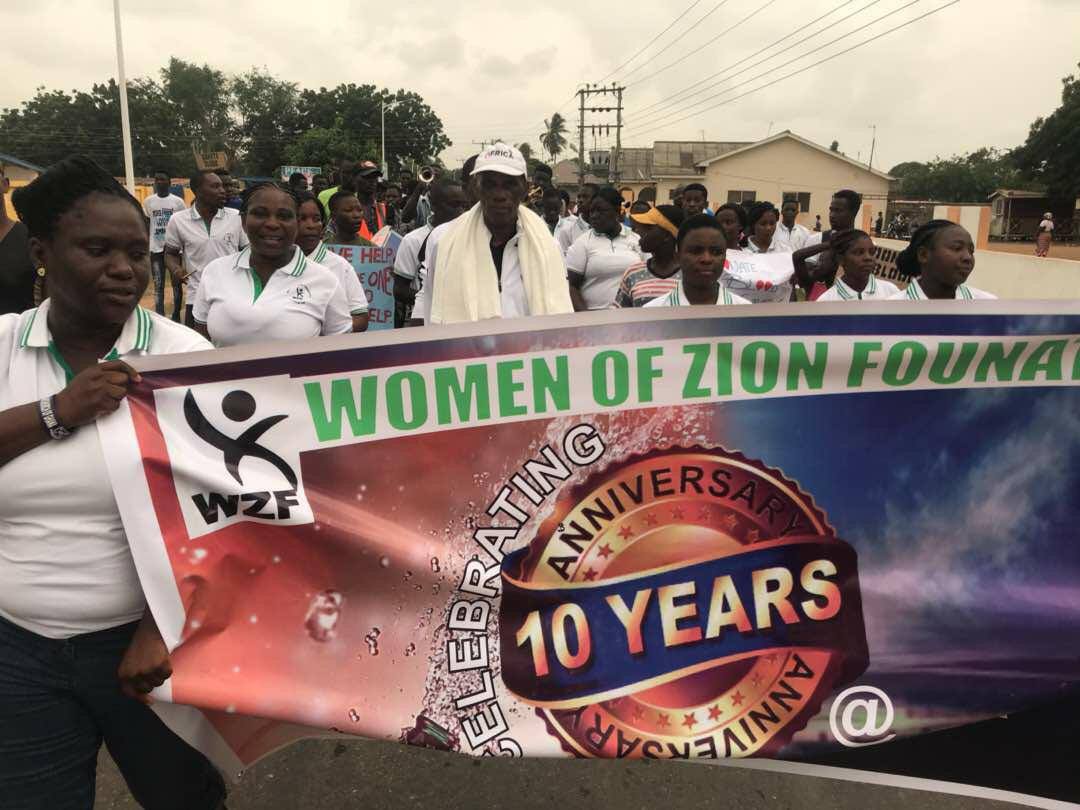
As the sun rose over Ada, hundreds of community members gathered at the town square. Young and old, men and women, all wore their walking shoes and bright smiles. Today wasn't just another Saturday—it was a day of unity, health, and hope.
Leading the procession was Nene Ada himself, the paramount chief, walking alongside community members he's served for years. His presence sent a powerful message: health is a priority for everyone, from the palace to the smallest household.
In many rural Ghanaian communities, chronic health conditions like hypertension, diabetes, and heart disease are rising. Sedentary lifestyles, limited health education, and lack of community wellness programs contribute to preventable illnesses that burden families and the healthcare system.
The Women of Zion Foundation recognized that addressing these challenges required more than medical interventions—it required a shift in community mindset and the active participation of traditional leaders.
The vision came from understanding a simple truth: when traditional leaders champion health initiatives, communities listen. When wellness activities become communal celebrations, people participate. When exercise is framed as collective empowerment rather than individual burden, transformation happens.
Months of planning went into this single morning. The Foundation met with Nene Ada and his council, discussing the health challenges facing the community. They consulted with local health workers about the most pressing needs. They engaged youth leaders to help mobilize participants.
The health walk wasn't just about exercise—it was a comprehensive wellness initiative. Before the walk began, health educators spoke to the crowd about the importance of physical activity, proper nutrition, and regular health checkups.
Nene Ada himself addressed the gathering, speaking in the local language about how traditional Ghanaian lifestyles incorporated natural movement and community activities. He emphasized that returning to these practices, combined with modern health knowledge, could protect the community's future.
"Our ancestors walked everywhere. They worked the land with their hands. They danced at every celebration. Movement was life. Today, we reclaim that wisdom."
The walk route stretched through the heart of Ada, deliberately passing schools, markets, and residential areas. This wasn't just for the participants—it was a public declaration that health matters, that community matters, that walking together toward wellness is something to be proud of.
As the procession moved through town, more people joined. Children ran alongside adults. Elderly community members walked at their own pace, supported by younger participants. Street vendors cheered. Residents emerged from their homes to wave and encourage.
Throughout the walk, health volunteers distributed educational materials about exercise, nutrition, and preventive care. They explained how just 30 minutes of walking daily could reduce the risk of heart disease, diabetes, and stroke. They shared tips for incorporating movement into daily routines.
The Foundation also emphasized mental health benefits—how community connection combats isolation, how physical activity reduces stress, how collective action builds resilience. In a world where mental health often goes unaddressed, this message resonated deeply.
At the conclusion of the walk, participants gathered once more at the town square. Health workers provided brief health assessments—blood pressure checks, basic health counseling, and referrals for those needing medical attention. Refreshments were shared. Stories were exchanged. New friendships formed.
"This walk reminded me that health isn't just about going to the hospital when you're sick. It's about what we do every day, together as a community. Seeing our chief walk with us showed that no one is too important to care for their health."
— Community Participant
But the Women of Zion Foundation knew that one successful event doesn't create lasting change. The real work comes in sustaining momentum, building on initial enthusiasm, and creating structures that outlast any single initiative.
Following the health walk, the Foundation established monthly community wellness activities. They trained local volunteers as health ambassadors. They worked with schools to incorporate physical education and health lessons into curricula. They partnered with traditional leaders to continue championing wellness.
The impact extends beyond physical health. The walk strengthened social bonds, increased civic pride, and demonstrated that when communities unite around shared goals, remarkable things happen. Young people gained role models. Elderly residents felt valued and included. Everyone left with renewed commitment to their own wellness and their neighbors'.
Today, walking groups meet regularly throughout Ada. Families incorporate evening strolls into their routines. Young people organize fitness challenges. And whenever someone questions whether community wellness initiatives matter, residents point to that Saturday morning when hundreds walked together, led by their chief, choosing health, choosing unity, choosing life.
Because sometimes, the path to a healthier community begins with a single step—taken together.
Photos by Women of Zion Foundation
Impact Achieved
300+
Community members participated
500+
Educational materials distributed
100%
Community engagement and support
Community Voice
"This walk reminded me that health isn't just about going to the hospital when you're sick. It's about what we do every day, together as a community. Seeing our chief walk with us showed that no one is too important to care for their health."
A
Anonymous
Community Participant, Ada
Help Us Create More Success Stories
Your donation can make a real difference in the lives of communities across Ghana.