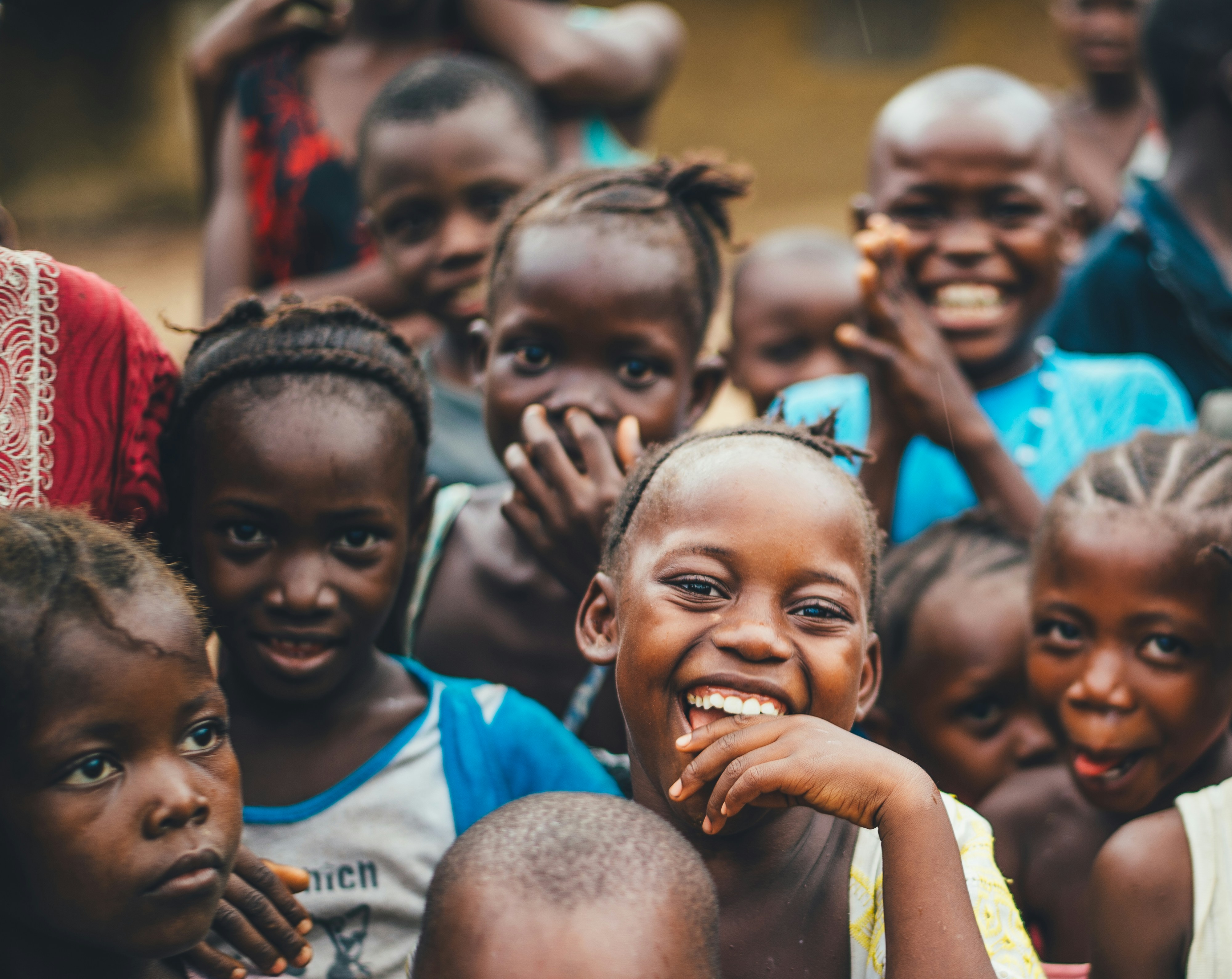
How a community celebration between Christmas and New Year brought joy, hope, and dignity to 500 people in Kabiawe-Kponor
W
by Women of Zion Foundation
Seven-year-old Kofi stood at the edge of the gathering, watching. His worn shirt hung loose on his small frame. His bare feet shuffled in the dust. Around him, music played, laughter echoed, and the aroma of fresh food filled the air.
He wanted to join the games. He saw other children his age racing in sacks, balancing limes on spoons, scrambling for chairs when the music stopped. But something held him back—a quiet awareness that he was different. His clothes were different. His English was different. His Christmas had always been different.
In rural Ghana, the holiday season often highlights the gap between hope and reality. While children in urban centers unwrap gifts and feast on elaborate meals, many in villages like Kabiawe-Kponor simply endure another day. Christmas becomes a reminder of what isn't—not what is.
For families living on subsistence farming, choosing between school fees and holiday celebrations isn't really a choice at all. The joy that should define childhood becomes a luxury most can't afford.
This is why, since 2022, the Women of Zion Foundation has transformed the period between Christmas and New Year into something remarkable: a community-wide celebration that restores dignity, creates memories, and reminds everyone—especially the children—that they matter.
The vision came from Naana Akleh Kateye Brempong I—Vivian Williams—CEO and Founder of Women of Zion Foundation and Divisional Queen Mother for Kabiawe-Kponor, alongside her husband Apostle Cephas Williams, President of the Foundation and leader of Covenant Kings Court Sanctuary. They understood that transformation isn't just about meeting physical needs. It's about creating experiences that heal, moments that inspire, and celebrations that say: you are seen, you are valued, you belong.
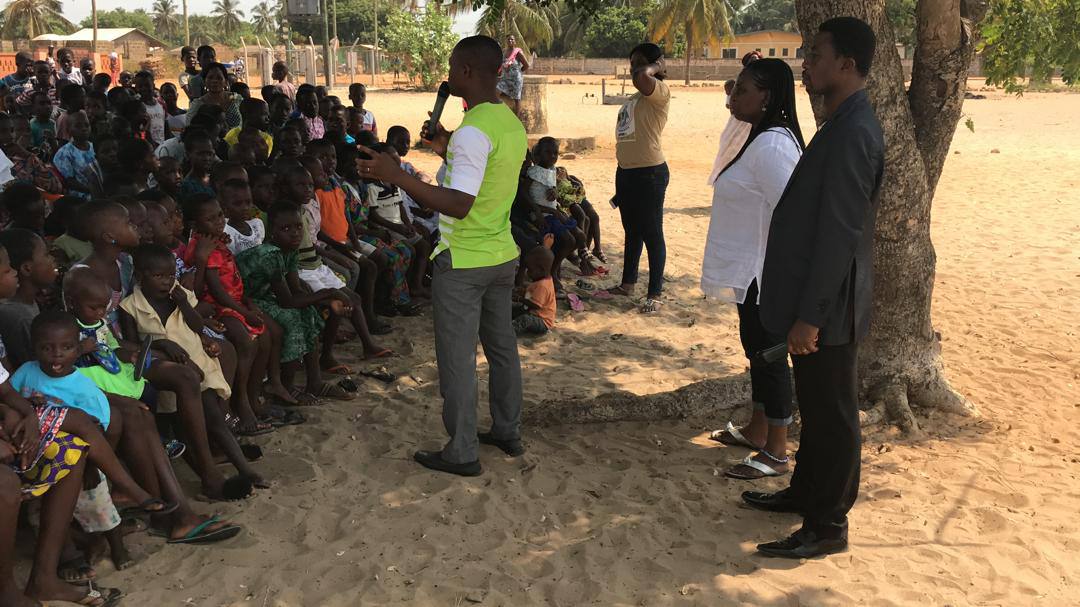
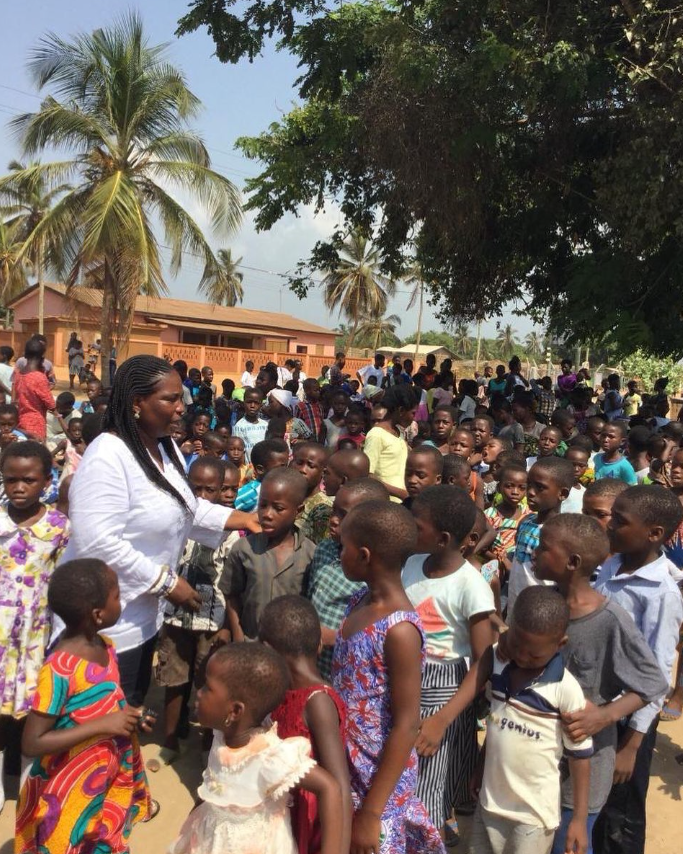
The 2023 celebration brought together over 500 community members. Preparation began weeks in advance—sourcing gifts of books, toys, and clothing for every child; arranging for abundant food and drinks; coordinating with the town's young cadet corps; organizing games that would engage every age group.
But logistics were only part of the equation. The real preparation involved something deeper: creating an atmosphere where barriers dissolve, where shame gives way to confidence, where a child in worn clothes feels just as welcome as anyone else.
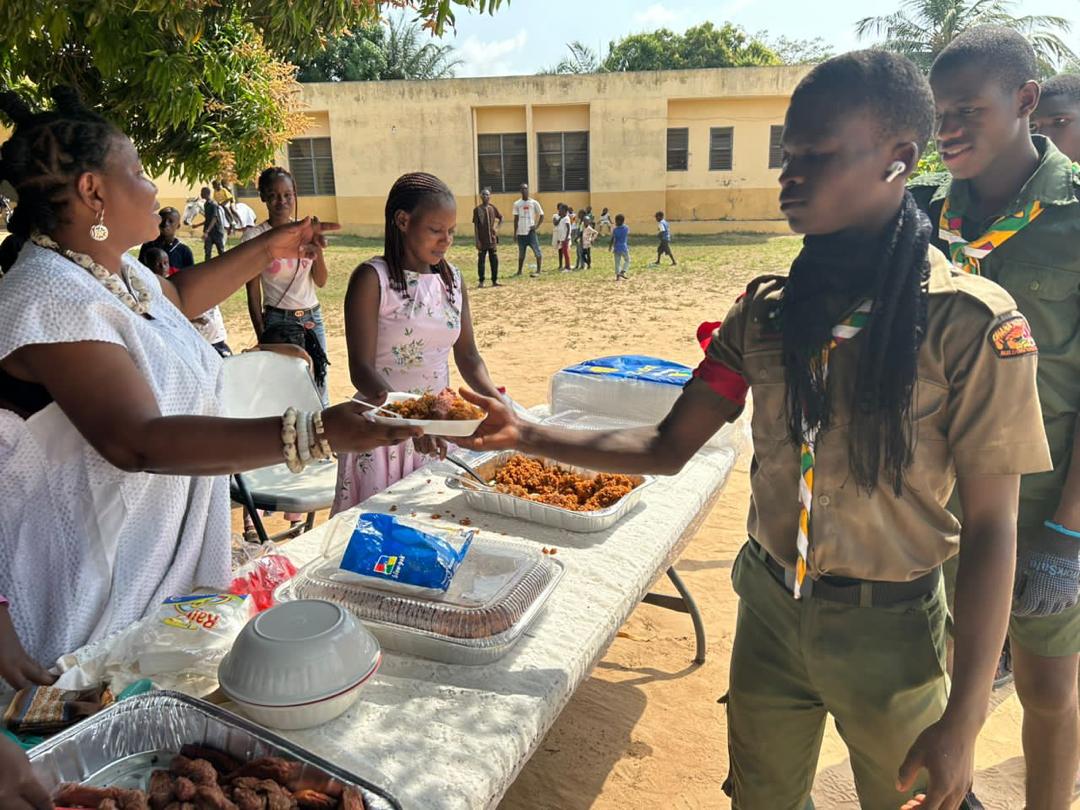
As the celebration began, music filled the air. Not just any music—songs of hope, praise, and joy. The cadet corps arrived in uniform, standing tall, reminding young people that discipline and service matter. Stations were set up throughout the venue: game areas, gift distribution points, food tables laden with more than most families see in months.
The Foundation team noticed something immediately: many children hung back, timid, uncertain. They saw the disparity—fluent English speakers versus those who struggled with the language, staff children in neat clothes versus village children in their best but worn attire, confidence versus hesitation.
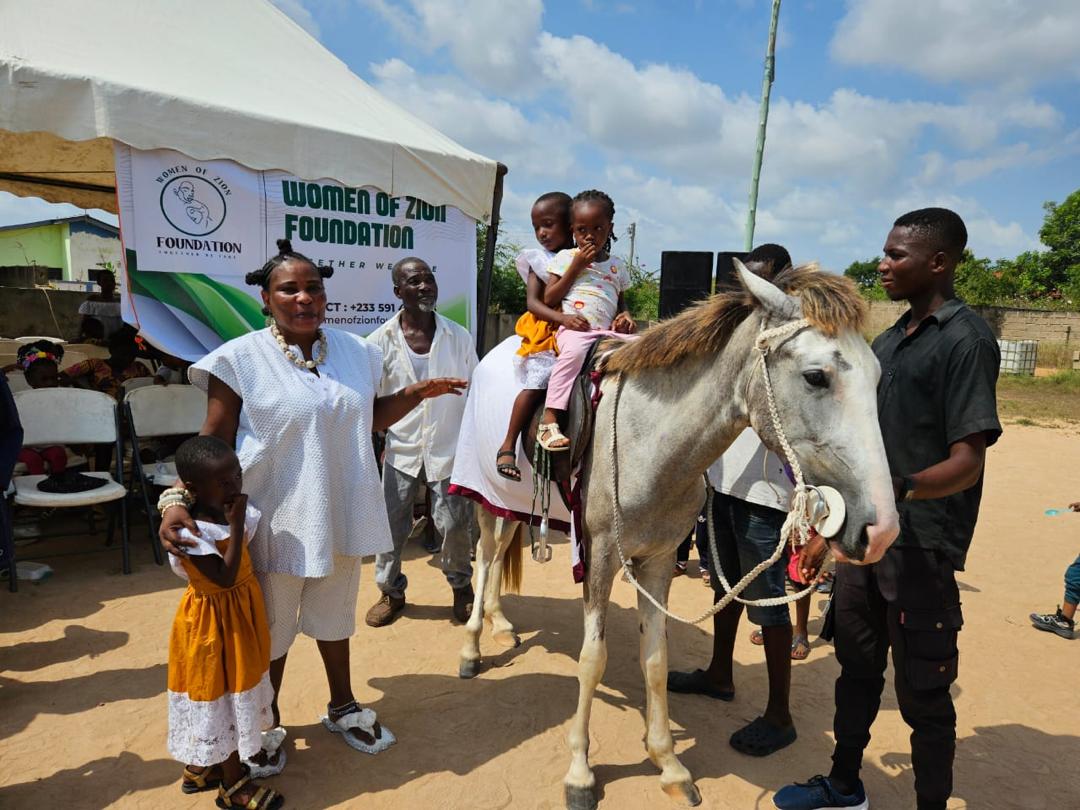
This is where intentionality transformed the event. Foundation staff deliberately paired their own children with local children for activities. During horse riding—a highlight that left children wide-eyed with wonder—they ensured every child got a turn, with staff members walking alongside, encouraging, celebrating each moment.
For the games—musical chairs, sack racing, lime and spoon balancing—they created teams that mixed backgrounds. Volunteers spoke in local languages. They knelt down to children's eye level. They cheered louder for the shy ones. They made sure every child felt that this celebration was theirs.
And then came the gifts. Each child received books to expand their minds, toys to spark imagination, and clothing to restore dignity. Parents watched, many with tears streaming down their faces, as their children unwrapped items they'd never dreamed of receiving.
But perhaps the most profound moment came during the open sessions. Apostle Cephas Williams and Ernest Williams, the Foundation's CFO and a seasoned accountant, opened the floor for questions—about faith, about life, about practical matters like managing finances and planning for the future.
Adults who'd carried burdens in silence found a safe space to ask. Young people who'd never had mentors found role models willing to listen. The message was clear: this community matters, your questions matter, your future matters.
Throughout the day, something beautiful happened. The timid children, like Kofi, began to emerge. Encouraged by staff, embraced by volunteers, paired with other children who smiled at them despite language barriers—they started to play. To laugh. To forget, just for a moment, that their Christmas had ever been anything less than magical.
On their faces, volunteers saw a bittersweet mixture of emotions. Joy, yes—abundant, genuine joy. But also something deeper: the realization that someone cared enough to see them, to celebrate them, to ensure this Christmas would be different. For some of the older children, ages seven, eight, nine, you could see memory at work—comparing this moment to previous holidays that had been ordinary at best, difficult at worst.
Yet in that bittersweet recognition was also hope. If this Christmas could be transformed, maybe others could too. If these strangers could see their worth, maybe they truly had worth. If joy was possible today, maybe it was possible tomorrow.
"I have never seen my son smile like that. When he rode the horse, when he won the sack race, when he opened his gifts—I saw a different child. A child who believes he deserves good things. Thank you for giving him that."
— Parent, Kabiawe-Kponor
As the celebration wound down and families headed home—children clutching their gifts, parents carrying food, everyone carrying memories—the Foundation team reflected on what they'd witnessed.
This wasn't just an event. It was a statement: poverty doesn't diminish worth. Circumstances don't define potential. Every child deserves joy. Every family deserves hope. Every community deserves celebration.
The Women of Zion Foundation has committed to making this an annual tradition. Because they understand that transformation isn't always about long-term programs or infrastructure projects. Sometimes it's about showing up consistently, year after year, to say: you matter. Your Christmas matters. Your joy matters.
Today, Kofi still talks about that Christmas. He tells his younger siblings about the horse he rode, the race he won, the books he received. He speaks with confidence now, no longer held back by the awareness that he's different.
Because on that day between Christmas and New Year, in a small village in rural Ghana, he learned something that will shape his entire life: he matters. He belongs. He deserves joy. And sometimes, Christmas miracles are real.
Photos by Women of Zion Foundation
Impact Achieved
500+
Community members celebrated together
200+
Children received gifts and participated
3rd
Annual celebration since 2022
Community Voice
"I have never seen my son smile like that. When he rode the horse, when he won the sack race, when he opened his gifts—I saw a different child. A child who believes he deserves good things. Thank you for giving him that."
P
Anonymous Parent
Kabiawe-Kponor Community
Help Us Create More Memories
Your donation can bring joy and hope to communities across Ghana, one celebration at a time.